This is like finding a stray journal page in a ruined city that talks of some grand festival and the date of the entry is the day before the city was destroyed
I think that my favorite thing from Okami is that there’s a designated bark button so that you can just bark whenever you want for no apparent reason.
Shout-out to Luigi’s Mansion in which you had a button specifically to call for Mario which got more and more desperate the less sanity Luigi had and that’s it, it did nothing
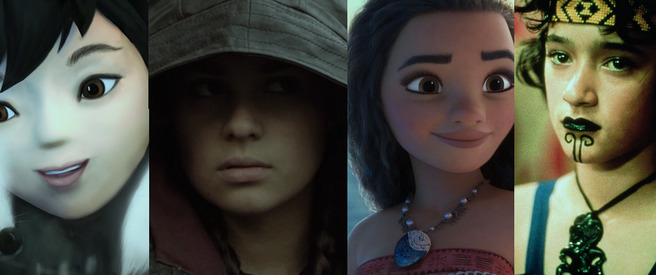
We all know the rules of The Bechdel Test. In recent years, fans of more feminist-friendly films have included their own character tests, like The Mako Mori Test, The Furiosa Test, The Sexy Lamp Test, the list goes on. While these are all helpful (though comical) tools feminists have used to criticize media narratives, very few of them seem to empower or apply when viewing Indigenous and Aboriginal women in media narratives / storytelling.
As a Native woman, I’ve experienced disappointment and heartache from the way Native women were represented on film, television, cartoons, and other forms of media. From stereotypical “Indian princesses” to the distressing amount of physical and sexual violence in live action period pieces, it felt that a Native woman was not a character you were meant to love and root for. She was never a character you were supposed to relate to or want to be. In almost every role she’s in, she cannot exist without being a prop for another character’s story, and if she has a “happy ending,” it’s usually in the arms of a white colonist or settler.
I’ve created the Aila Test to bring my own concerns to the table when feminists criticize media. Not only should these issues be analyzed and addressed, but content creators who write about Indigenous / Aboriginal women should consider writing characters who pass this test. We need them now, more than ever.
To pass the Aila Test, your film / animation / comic book / novel / etc, must abide by these three important rules:
1. Is she an Indigenous / Aboriginal woman who is a main character…
2. Who DOES NOT fall in love with a white man…
3. And DOES NOT end up raped or murdered at any point in the story.
Do you know characters that pass the Aila Test? Please submit them to this page!















 punkpixel